Mise en scene is French for, "placing on stage". It refers to five key things:
- Settings and props - these help establish the atmosphere and can be an indication of where and when the scene is set (in a science fiction film you will tend to see things that resemble futuristic items, whilst in a film set in the middle ages, you will tend to see old fashioned clothes)
- Costumes, hair/makeup - these help convey the characters' personalities, and stereotypes are often used to help the audience understand who is who from the very beginning (although this can be turned on it's head, if the film maker wants to purposely mislead the audience) - for example, a villain is typically made to look scarier than the protagonist
- Acting (facial expressions, body language) - facial expressions and body language emphasise the mood of the current scene, e.g. in a scary scene in a horror film the characters will tend to have a fearful expression on their face, in contrast to a scene set in a serious business deal, where the characters will have more straight, serious faces
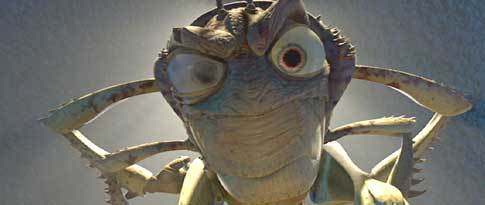
- Lighting - lighting has a range of uses and can be used to make a character look more intimidating/scary, more appealing, or to give an air of mystery.
- Positioning of characters in the frame - how the characters are positioned can be an indication of who is in power, and who is important, etc. It can also show characters that are hiding and aware of the action, although not directly taking part in it.


No comments:
Post a Comment